Many people have heard of fasting and specifically Intermittent Fasting (IF), though few understand how it works, the benefits it provides, or the knowledge of how to get started.
The most common concern I hear about IF is that it is too intimidating or difficult to 'miss' or 'skip' a meal and not eat for more than 12 hours –
"How will I have enough energy?" "How will I deal with the hunger pains?" "Isn't it unhealthy to skip a meal?"
In this blog post, I will break down the myths of IF from the perspective of a nutritionist and health coach, and share with you the science-backed facts about Intermittent Fasting and tips on how you can get started; because IF is such a powerful tool and to give up before ever starting IF would be too much of a missed opportunity to better how we look and feel, as well as improve our overall health and quality of life.
What is Intermittent Fasting?
Intermittent fasting (IF) is an eating pattern that cycles between periods of fasting and eating. The best part of IF is it can be very straightforward and simple to adopt. The most common and adopted method of IF is to fast for 16 hours and eat within an 8-hour window per day. For most people this usually occurs by not consuming breakfast in the morning and having the first meal from 11am to 1pm and eating dinner from 7pm to 9pm, and then fasting for 16 hours until the next meal on the next day. This fits well into the average person's work/life balance.
What are the Benefits of Intermittent Fasting?
Less Taxing on Your Body
Eating and fasting in specific daily windows like this gives our bodies that much needed break from digestion; this is vital because out of the thousands of processes our body undertakes per day, digestion is the most taxing, and when our large intestine isn't working hard to digest food, our bodies rejuvenate and replenish at a rate equivalent to when we are sleeping.
Regulating Hunger Hormones
When we eat within a restricted window it is not only easier to eat less compared with eating throughout the entire day; it also has many hormonal benefits such as regulation of our hunger hormone (ghrelin) and our satiety hormone (leptin), which signal to our body when we are truly hungry and when we have had enough food respectively — important when it comes to not overeating from a physiological standpoint.
Improvement in Energy Level and Metabolic Flexibility
This results in improved and consistent energy levels due to a more stable blood sugar level and tuning the body regularly per day to function without constant carbohydrates. This allows our body to build higher efficiency in our metabolic flexibility (the ability to function normally without glucose in the bloodstream) — which in turn reduces overall body inflammation and reduces the chances of developing many illnesses such as type 2 diabetes, cancer, stroke, arthritis and asthma to name a few.
Enhancement of Mental Clarity and Concentration
Over time the consistent break from our digestion will result in an enhanced ability to focus and concentrate on tasks throughout the day due to an efficient release of toxins from the bloodstream, allowing a cleaner flow of blood to the brain; this will improve mental clarity and concentration.
Beginners' Guide to IF
When it comes to IF the best part is — it can be very straightforward and simple to implement. Choose your fasting and eating schedule; you can start with the most common and adopted method of IF, which is to fast for 16 hours and eat within an 8-hour window. Here are a few tips to help you get started:
- On the days leading up to beginning IF, try eating within a shorter window by an hour or two for a few days and then shorten the eating window by more until the ideal eating and fasting window is achieved.
- Another strategy is to eat normally throughout most of the week and incorporate your intended fasting hours in full for 1 or 2 days per week, before increasing to say 3 or 4 days per week the week after.
- Finding a friend or partner to begin your fasting journey with, or planning this with your health coach, can increase your accountability, support and motivation until this new healthy habit is formed.
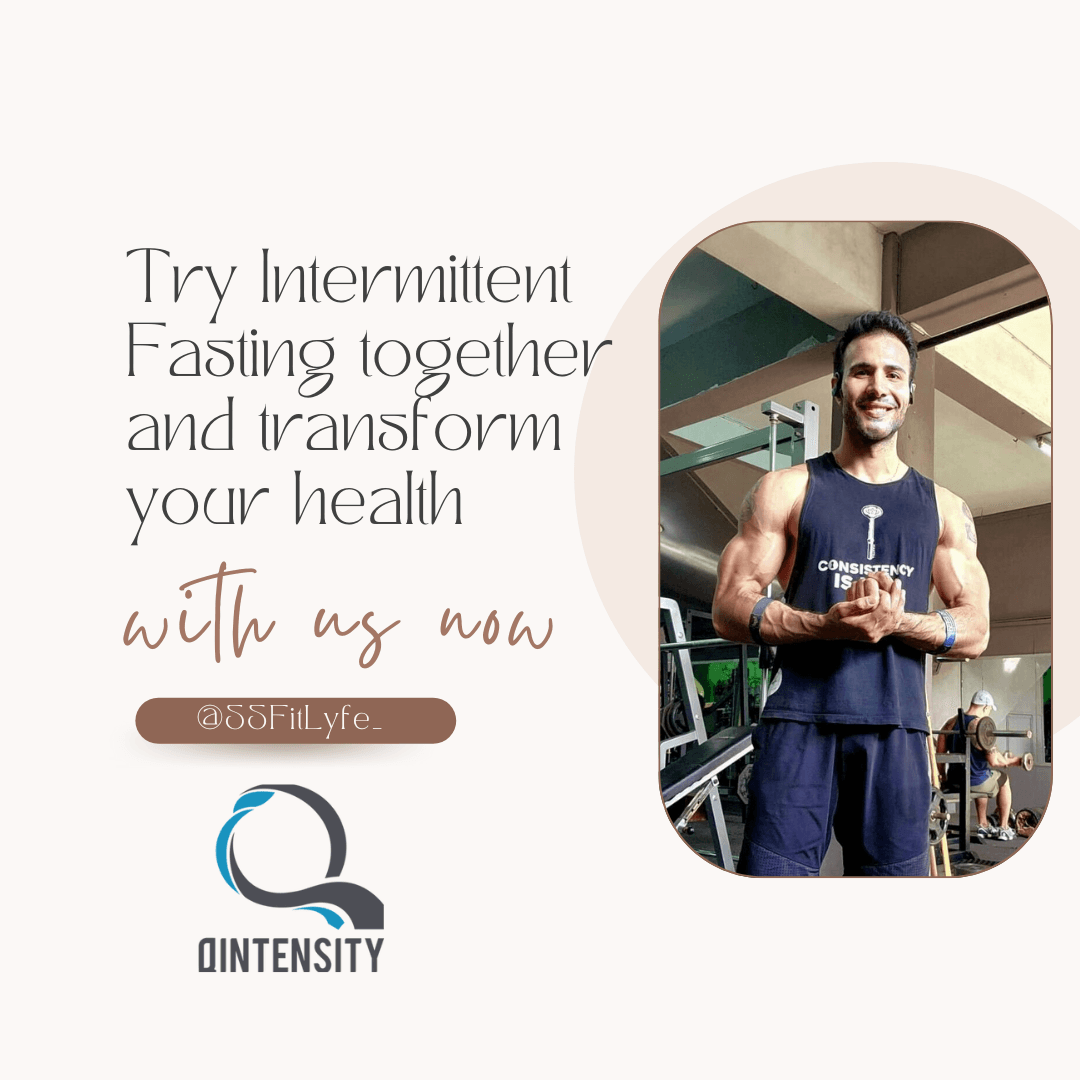
Sign up to the Qintensity x SSFitlyfe ONE MONTH Intermittent Fasting Online Coaching Program at HKD1280 ONLY! Enter promo code IFQINTENSITY when you book here.
As long as the fasting is not restricted in caloric intake (maintained at a similar level as pre-IF) and is being done consistently over time, concerns about being hungry and not having energy will fade away as the benefits strongly become evident and applicable to your daily life.
Writer's Bio
Josh is the lead health coach of SSFitLyfe, an online health and nutrition coaching platform. He is originally from Australia and has over a decade of experience working as a certified nutritionist, personal & rehab trainer, and life coach in different parts of the world. His passion is to empower people to live their best life and reach their healthiest potential in both body and mind through a truly holistic and science-backed approach to healthy living.
Credentials Highlights: Bachelor Degree in Food Science (Nutrition) and Behavioural Science (Psychology) at Queensland University of Technology; Australian Institute of Fitness Certified Personal Training and Fitness Coach